
Sanitary requirements for a beauty salon – what does the sanitary inspectorate require?
Beauty salons and other businesses operating in the beauty industry must comply with the sanitary requirements prescribed by law. What should be kept in mind when setting up the salon and during day-to-day work? Here are the key issues!
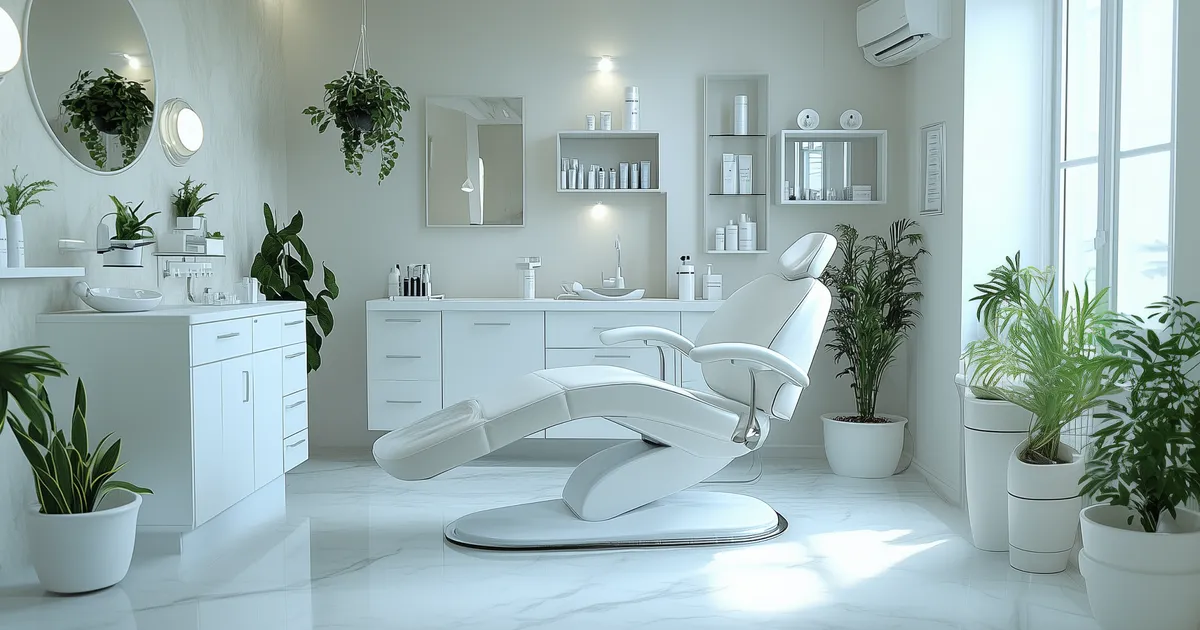
What sanitary requirements must a beauty salon meet?
For a long time, sanitary requirements were defined by the provisions of the Regulation of the Minister of Health of 17 February 2004 on detailed sanitary requirements to be met by hairdressing, cosmetic, tattoo and biological renewal establishments.
However, it is now no longer binding and the main requirements are decided by local sanitary authorities. That said, it is worth familiarizing yourself with the provisions of the now obsolete regulation, as there is a lot of helpful information there.
New legislation in this area is also being developed and a draft can be found online.
In addition, other regulations apply to the operation of a beauty salon, including:
- Act of 5 December 2008 on the prevention and control of infections and infectious diseases in humans,
- Act of 4 October 2018 on cosmetic products,
- Act of 14 December 2012 on waste.
Beauty salon – basic sanitary requirements
Supervision of beauty salons and other salons in the beauty industry is conducted by the State Sanitary Inspectorate. Ongoing and emergency supervision, on the other hand, is handled by the district sanitary-epidemiological stations, i.e. SES.
To run the beauty salon safely and legally, it is necessary to meet certain sanitary requirements.
When it comes to sanitary requirements, the beauty salon should meet the following conditions:
- The salon must be in a separate part of the building or premises or in a separate building,
- The entrance leading to the salon should be a separate part of the building, but may be shared by all users,
- There should be separate rooms in the salon: a service room, a waiting room or a separate area with a clothes rack, a staff room, a hygiene and sanitation room,
- The salon should have hot and cold water and sewage systems, ventilation and heating,
- Walls at basins and sinks should be covered with a non-absorbent material to a minimum height of 1.6 m,
- When cosmetics that cause external body contamination are used in the salon, a bathroom with a shower should be set aside in the salon,
- The salon staff should observe personal hygiene, wear clean protective clothing and use personal protective equipment,
- Hygiene products such as disposable liners and clean towels for clients should be used,
- Tools and equipment in the salon must be kept in good hygienic and sanitary condition by being washed and disinfected, while reusable tools and those used in procedures that break the continuity of human tissue require sterilization at the Cabinet Sterilization Station,
- Every salon should have a first aid kit.
In line with SES requirements, the beauty salon must therefore meet a number of conditions in order to operate with an emphasis on hygiene and safety.
Beauty salon furniture
As far as sanitary requirements are concerned, the beauty salon must be equipped with the right furniture, including furniture for treatments and waiting areas.
Salon furniture should be suitable for hygienic treatments and easy to clean and disinfect. This is particularly important for cosmetic chairs and cosmetic recliners. The most commonly used furniture is upholstered in eco-leather, which is easy to keep clean.
Other furnishings, including desks, wardrobes and bookcases, can be made of different materials, but should also be easy to clean – for example, lacquered furniture boards, metal or glass will work well.
Should a beauty salon be reported to the sanitary authorities?
Currently, it is no longer necessary to report the start of a beauty salon to the sanitary authorities.
This is only necessary in certain situations – for example, when the use of the premises changes, when there are deviations from technical conditions, or when planning permission is required for the premises.
You can consult the salon’s design with the sanitary authorities to check it against hygiene requirements and make sure it meets everything this institution requires.
Sanitary inspection of a beauty salon
Any salon can be inspected by the sanitary inspectorate, which will examine the sanitary conditions in the salon. This inspection may be announced or unannounced.
The inspection conducted by the sanitary inspectorate in the beauty salon includes an assessment of:
- Documentation related to the facility, such as inspections of installations and waste disposal,
- Medical certificates confirming there are no contraindications to working in the profession,
- Hygienic and sanitary conditions,
- The procedures implemented in the salon,
- The sterilization log,
- Safety data sheets, attestations, and certificates for the products used in the salon.
When opening and running the beauty salon, it is therefore worth bearing in mind that it must meet certain sanitary requirements, which is crucial for the health and safety of employees and for the safety and satisfaction of clients.
Frequently asked questions
Find answers to the most frequently asked questions about sanitary requirements in the beauty industry.
- Is it mandatory to report a beauty salon to the sanitary inspectorate?
- Currently, there's no obligation to report the start of a beauty salon's operations to the sanitary inspectorate, unless there's a change in how the premises are used or other deviations from technical conditions. In that case, it's worth consulting the salon's design against hygiene requirements.
- What basic sanitary requirements must a beauty salon meet?
- A beauty salon must be located in a separate part of the building or premises, have separate rooms (a service room, waiting room, staff room, and hygiene and sanitation room), and have proper water, sewage, ventilation and heating installations. Walls next to sinks should be covered with a non-absorbent material.
- What hygiene rules must be followed in a beauty salon?
- Staff must follow personal hygiene rules, wear clean protective clothing, and use personal protective equipment. Tools and equipment should be regularly washed and disinfected, and reusable tools properly sterilized.
- What are the requirements for furniture in a beauty salon?
- Furniture should be easy to clean and disinfect, which is why eco-leather upholstery, lacquered boards or metal are often chosen. Special attention is paid to chairs and treatment beds, which come into direct contact with clients.
- How does a sanitary inspection of a beauty salon work?
- The sanitary inspectorate carries out both announced and unannounced inspections, checking documentation, hygienic conditions, procedures, and the condition of tools and equipment. The inspection also includes an assessment of the sterilization log and certificates for the products used.
- What regulations govern sanitary requirements for beauty salons?
- Guidelines are mainly drawn from local sanitary inspectorate recommendations, with helpful information found in the 2004 Regulation of the Minister of Health and in laws on preventing infections, cosmetic products, and waste. Work on new regulations is also underway.
Grow your salon today!
With Estetify, running your salon is easier than you think. Join the professionals!